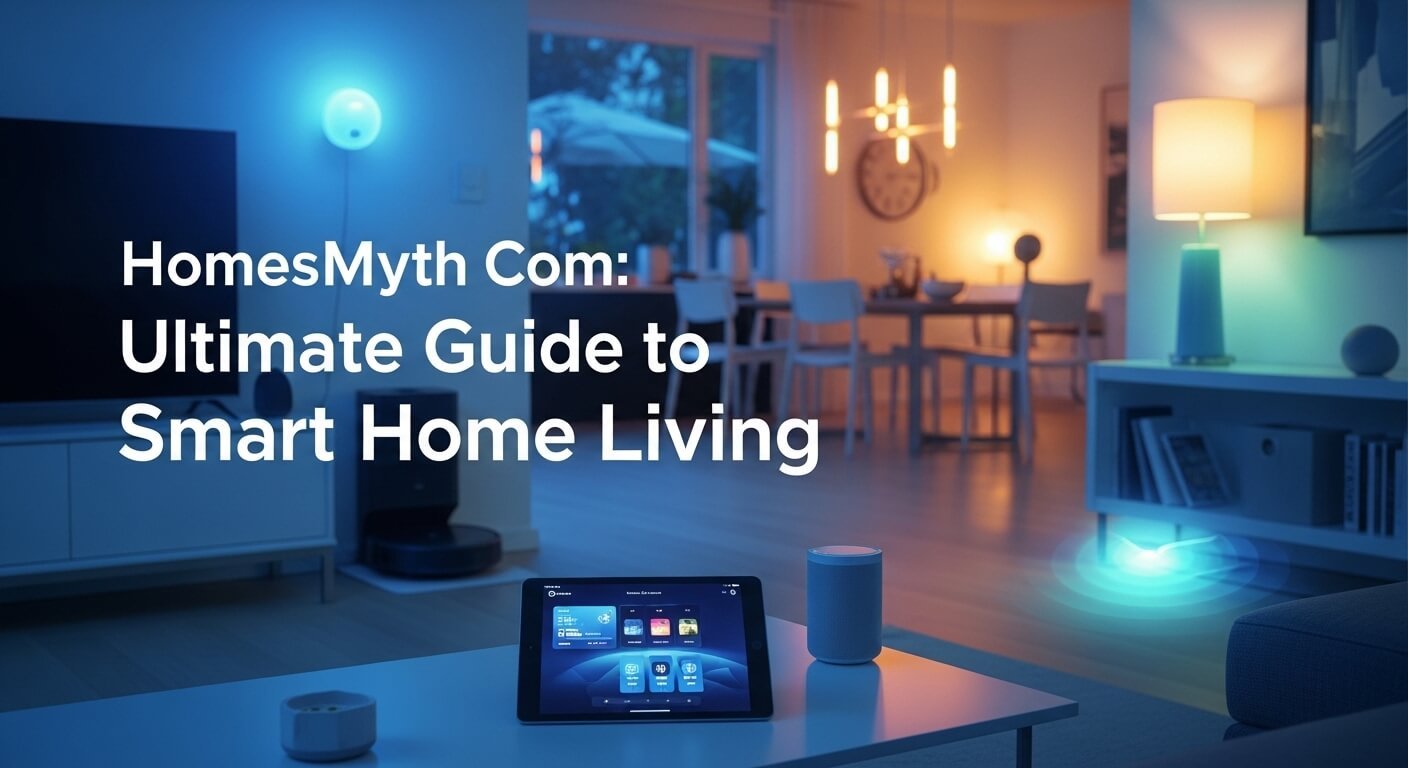
Introduction: Is Your Home Working for You?
Imagine walking into your house, and the lights turn on softly. The room feels comfortable because the temperaturewas adjusted before you arrived. Your doors are locked, and you can check everything from your phone.
That’s not science fiction. It’s smart home living.
On HomesMyth Com, the idea of modern home design is not just about how your space looks. It’s about how it works. A smart home blends technology, comfort, safety, and style into one simple system.
In this ultimate guide, you’ll learn:
-
What smart home living really means
-
Which devices are worth buying
-
How to design a connected home without making it complicated
-
How to stay safe and protect your privacy
-
Simple steps to get started today
Let’s begin.
What Is Smart Home Living?
Smart home living means using internet-connected devices to control and automate parts of your home. These devices can manage lighting, temperature, security, appliances, and even entertainment.
According to the U.S. Department of Energy, smart thermostats alone can help households save energy by automatically adjusting heating and cooling schedules (energy.gov).
In simple words, a smart home helps you save time, energy, and effort.
Why Smart Homes Are Growing So Fast
Real Numbers Behind the Trend
The global smart home market has grown rapidly over the past decade. Reports from Statista show that millions of households now use smart speakers and connected devices worldwide.
Why?
Because people want:
-
More convenience
-
Lower energy bills
-
Better home security
-
Remote access from anywhere
Smart technology is no longer a luxury. It’s becoming part of everyday home design.
The Core Areas of a Smart Home
To understand smart living, it helps to break it into categories.
1. Smart Lighting
You can control lights with:
-
Voice commands
-
Mobile apps
-
Motion sensors
-
Schedules
Benefits:
-
Saves electricity
-
Creates mood lighting
-
Improves security when you’re away
For example, you can schedule outdoor lights to turn on at sunset automatically.
2. Smart Thermostats
Smart thermostats learn your habits.
According to ENERGY STAR, certified smart thermostats can save about 8% annually on heating and cooling costs.
They:
-
Adjust temperatures automatically
-
Reduce waste
-
Provide energy reports
That’s smart home design that pays you back.
3. Smart Security Systems
This includes:
-
Video doorbells
-
Smart locks
-
Motion cameras
-
Alarm systems
The FBI’s crime data reports show that homes without security systems are more likely to be targeted than homes with visible protection (fbi.gov).
Smart security lets you:
-
See who is at your door
-
Lock doors remotely
-
Receive instant alerts
Peace of mind matters.
4. Smart Appliances
Modern refrigerators, washing machines, and ovens can connect to Wi-Fi.
They allow you to:
-
Start cycles remotely
-
Monitor usage
-
Get maintenance alerts
While not essential for everyone, they can simplify daily routines.
How Smart Homes Improve Everyday Life
Comfort and Convenience
Imagine adjusting lights without leaving your couch.
Or preheating your home before you arrive.
These small actions save time and reduce daily stress.
Energy Efficiency
The U.S. Environmental Protection Agency explains that energy-efficient homes reduce environmental impact and utility costs (epa.gov).
Smart systems:
-
Turn off unused lights
-
Optimize heating and cooling
-
Monitor electricity use
That’s both eco-friendly and budget-friendly.
Safety and Monitoring
Smart smoke detectors and water leak sensors alert you immediately.
Early warnings can prevent:
-
Fire damage
-
Water damage
-
Mold growth
Prevention is always cheaper than repair.
3 Most Common Myths About Smart Homes
Myth 1: Smart Homes Are Only for Rich People
Not true.
You can start with one smart bulb or plug. Many entry-level devices are affordable.
Myth 2: They’re Too Complicated
Most modern systems are plug-and-play. Apps guide you step-by-step.
If you can install a mobile app, you can set up most smart devices.
Myth 3: They’re Not Secure
Security depends on proper setup.
Using:
-
Strong passwords
-
Two-factor authentication
-
Regular updates
greatly reduces risks.
The Cybersecurity & Infrastructure Security Agency (cisa.gov) recommends regular firmware updates to protect connected devices.
How to Start a Smart Home (Step-by-Step)
Step 1: Choose a Hub or Ecosystem
You need a central system. Many people use:
-
Voice assistants
-
Smartphone apps
Choose one platform and stay consistent.
Step 2: Start Small
Begin with:
-
Smart bulbs
-
Smart plugs
-
Smart speaker
Test how they fit your lifestyle before expanding.
Step 3: Add Security Devices
Next, consider:
-
Video doorbell
-
Smart lock
-
Indoor camera
Safety should come before luxury upgrades.
Step 4: Automate Routines
Create simple routines like:
-
“Good morning” (lights on + temperature adjust)
-
“Good night” (lights off + doors lock)
Automation makes technology feel natural.
Smart Home Design: Blending Tech with Style
Technology should not ruin your decor.
Here’s how to blend both.
Hide Cables and Devices
Use:
-
Cable organizers
-
Decorative covers
-
Built-in storage
A clean look improves overall home decor.
Match Devices with Interior Style
Choose finishes that match:
-
Matte black for modern homes
-
Brushed metal for contemporary kitchens
-
White minimalist designs for Scandinavian interiors
Good home design keeps technology subtle.
Cost Breakdown: What Should You Budget?
Here’s a simple estimate (prices vary by region):
| Device Type | Approximate Range |
|---|---|
| Smart Bulb | $10–$40 |
| Smart Plug | $15–$35 |
| Smart Thermostat | $100–$250 |
| Video Doorbell | $80–$250 |
| Smart Lock | $120–$300 |
Start small and scale over time.
Privacy Considerations
Smart homes collect data.
Ask:
-
Where is data stored?
-
Is it encrypted?
-
Who has access?
Read privacy policies before buying.
According to the Federal Trade Commission (ftc.gov), consumers should understand how connected devices handle personal information.
Transparency builds trust.
Pros and Cons of Smart Home Living
Advantages
-
Convenience
-
Energy savings
-
Increased safety
-
Remote control access
-
Modern appeal
Disadvantages
-
Initial cost
-
Internet dependence
-
Learning curve
-
Potential privacy concerns
Balance matters. Not every home needs every device.
Future of Smart Home Living
Experts predict more AI integration and better automation.
Future developments may include:
-
Smarter energy grids
-
Advanced predictive maintenance
-
Deeper integration with renewable energy
Technology will likely become more seamless and less visible.
Real-Life Example
Consider a small apartment owner.
They start with:
-
Two smart bulbs
-
One smart speaker
-
One smart plug
Monthly electricity use drops slightly because lights turn off automatically.
Later, they add a thermostat and a security camera.
Step-by-step growth keeps costs manageable and reduces overwhelm.
That’s smart progress.
Key Takeaways
Smart home living is not about owning the most gadgets.
It’s about:
-
Improving daily comfort
-
Saving energy
-
Increasing safety
-
Enhancing modern home design
Start small. Choose reliable devices. Secure your system properly.
Your home should work for you—not the other way around.
FAQs
1. What is HomesMyth Com used for?
HomesMyth Com focuses on practical advice about home design, decor, and smart home living. It helps readers improve comfort and functionality in simple ways.
2. Is a smart home expensive to set up?
It depends on your goals. You can start for under $100 with basic lighting and plugs, then expand gradually.
3. Are smart homes safe from hackers?
No system is 100% immune. However, strong passwords, regular updates, and secure Wi-Fi significantly reduce risks.
4. Do smart devices increase electricity bills?
Usually not. Many devices reduce waste and improve efficiency, especially smart thermostats and lighting.
5. Can I install smart home devices myself?
Yes. Most devices are designed for easy installation without professional help.
6. What is the best first smart home device to buy?
Smart bulbs or a smart plug are ideal beginner options. They are affordable and easy to use.