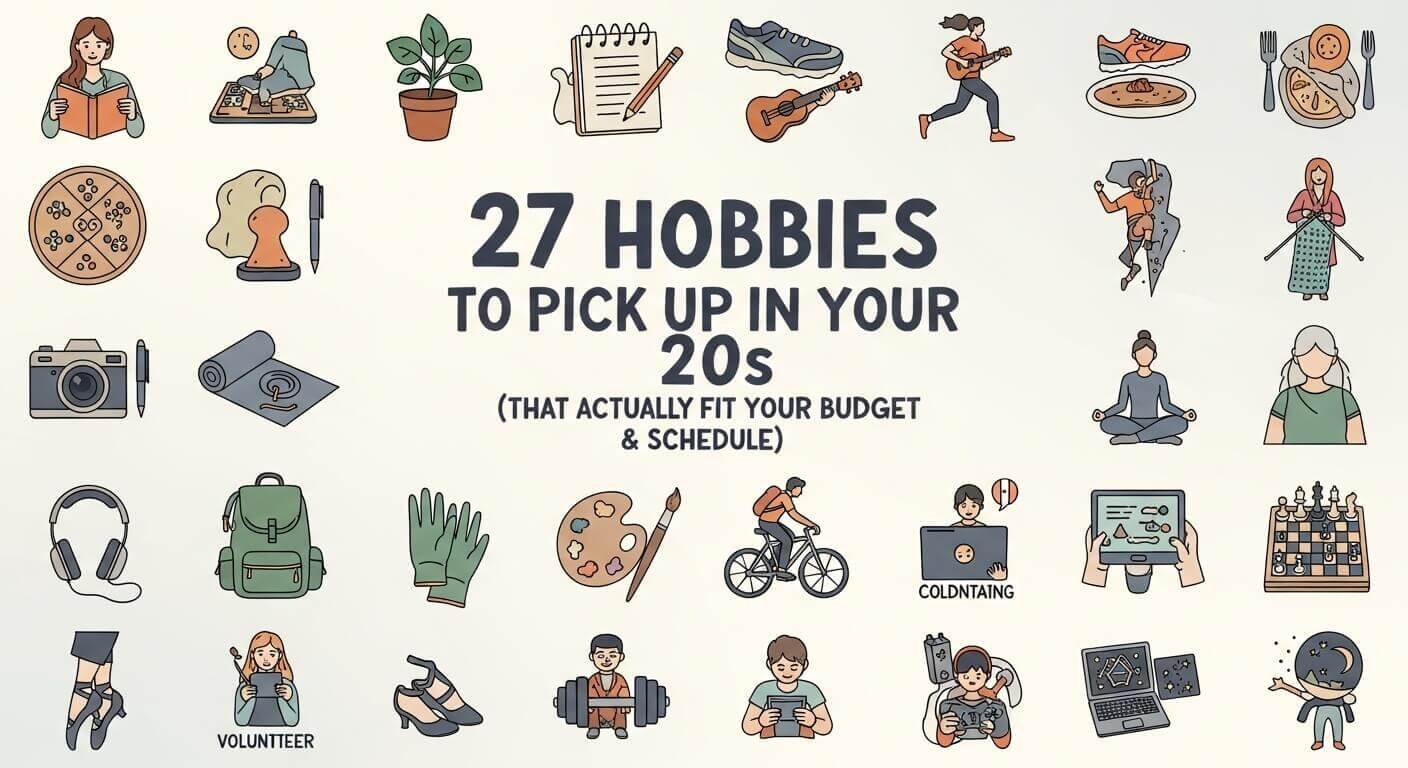
Your 20s are a unique chapter. You’re finally independent, discovering who you are, and figuring out what brings you joy beyond work and sleep. But here’s the reality: many twenty-somethings fall into the trap of working all week, scrolling through social media on weekends, and wondering where the time went.
Hobbies to pick up in your 20s aren’t just about filling free time—they’re about building skills, making friends, protecting your mental health, and creating a version of yourself you actually like. Whether you’re broke, busy, or both, there’s a hobby on this list that fits your life right now.
This guide breaks down 27 realistic hobbies across different categories. No fluff, no impossible suggestions. Just real hobbies for real people navigating their 20s.
Why Your 20s Are Perfect for Starting New Hobbies

Your brain remains incredibly adaptable in your 20s. Neuroplasticity—your brain’s ability to form new connections—stays strong, making learning easier than in later decades. You also have fewer responsibilities than you’ll have in your 30s and 40s, which means more freedom to experiment.
Beyond biology, your 20s are when you’re shaping your identity. The hobbies you pick up now can influence your career path, introduce you to lifelong friends, and give you coping mechanisms for stress.
Here’s what makes this decade special: you can fail without major consequences. Trying rock climbing and hating it? No problem. That’s called exploration, not failure.
Creative Hobbies That Don’t Require Talent
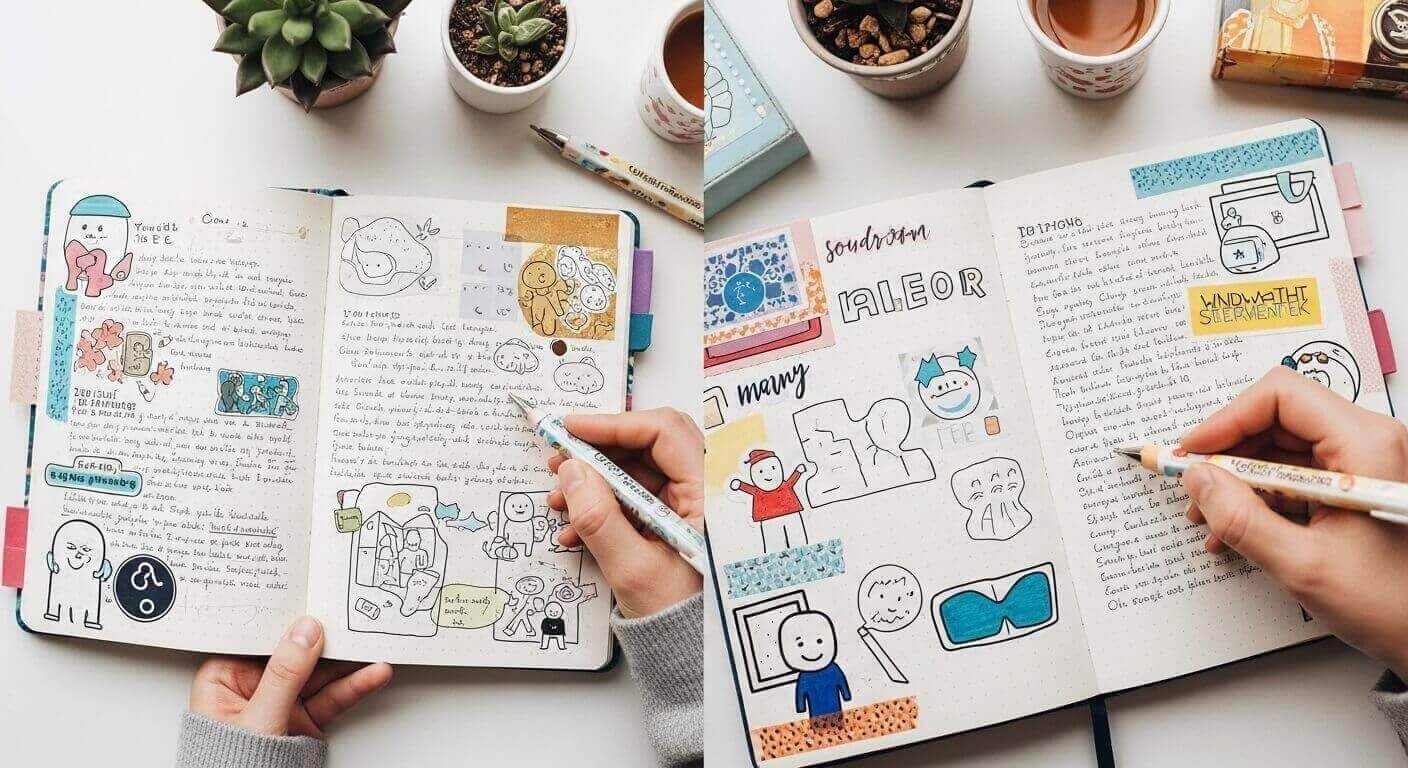
1. Writing (Journaling, Blogging, or Fiction)
Journaling costs zero dollars—just grab a notebook or use free apps like Notion. Research from the University of Rochester Medical Center shows journaling reduces stress, improves immune function, and helps process emotions. Start with five minutes each morning. If you want to go public, platforms like Medium let you share your thoughts with the world.
Budget: Free to $20 | Time: 10-30 minutes daily
2. Photography (Smartphone or Camera)
Your phone already has a camera capable of stunning photos. Photography teaches you to notice beauty in everyday moments. Start by following the rule of thirds—imagine your screen divided into nine squares, and place subjects at the intersections. Free YouTube tutorials from creators like Peter McKinnon can accelerate your learning.
Budget: Free (phone) to $400 (used camera) | Time: 5 minutes to full weekends
3. Digital Art or Graphic Design
Apps like Procreate ($13) or free tools like Canva have made digital art accessible. You can design posters, create social media graphics, or paint digital illustrations. This hobby has serious side-hustle potential—freelance designers on Fiverr charge $25-150 per project.
Budget: Free to $13 | Time: 1-3 hours weekly
4. Cooking and Recipe Experimentation
Cooking is a rare hobby that saves money while you learn. Americans spend $3,000+ annually on dining out, according to the Bureau of Labor Statistics. Start with simple recipes from Budget Bytes or YouTube. Master five dishes you love, then branch out. Invite friends over—it’s cheaper than restaurants and twice as memorable.
Budget: $30-50 weekly (you’re eating anyway) | Time: 30 minutes to 2 hours
5. Learning a Musical Instrument
Music rewires your brain remarkably. A 2014 Journal of Neuroscience study found musical training enhances memory and attention. Ukulele is the easiest string instrument—you can play songs within a week. Used ukuleles cost $40-80. Free apps like Yousician provide structured lessons.
Budget: $40-200 for instrument | Time: 15-30 minutes daily
Physical Hobbies That Improve Health
6. Running or Trail Running
Running costs nearly nothing and provides enormous mental health benefits. A 2019 JAMA Psychiatry study found running reduces depression risk by 26%. Start with Couch to 5K, a free program building endurance over nine weeks. Trail running adds nature exposure, which provides additional stress reduction.
Budget: $50-120 for shoes | Time: 20-40 minutes, 3-4 times weekly
7. Yoga or Pilates
Both improve flexibility, strength, and mental clarity. Yoga emphasizes mindfulness; Pilates focuses on core strength. Free YouTube channels like Yoga with Adriene have millions of followers. Many studios offer $30-40 unlimited first-month deals.
Budget: Free (at home) to $100/month | Time: 20-60 minutes, 2-5 times weekly
8. Rock Climbing or Bouldering
Indoor climbing gyms have exploded in popularity because climbing feels like problem-solving, not exercise. Most gyms offer monthly memberships ($60-80), including equipment rental. The climbing community is famously friendly—you’ll naturally meet climbing partners.
Budget: $60-80 monthly | Time: 1-2 hours per session, 2-3 times weekly
9. Cycling (Road or Mountain Biking)
Cycling transforms your city into an adventure map. A decent used bike costs $150-400 on Craigslist. Join local group rides—cyclists love sharing routes and coffee shop recommendations.
Budget: $150-400 for a used bike | Time: 30 minutes to all-day weekend rides
10. Martial Arts or Boxing
Learning self-defense builds confidence while providing intense cardio. Boxing gyms charge $100-150 monthly. Martial arts schools (Brazilian Jiu-Jitsu, Muay Thai) cost $100-200 monthly. Most offer free trial classes.
Budget: $100-200 monthly | Time: 1 hour per class, 2-4 times weekly
Social Hobbies for Making Friends
11. Board Game Nights
Board game cafes host weekly game nights where strangers become friends. Many events are free or charge $5-10. Modern games go far beyond Monopoly—try Ticket to Ride or Carcassonne. This develops strategic thinking while providing regular social connections.
Budget: $30-60 per game or free at shops | Time: 2-4 hours weekly
12. Volunteering
Volunteering uses your skills while meeting people sharing your values. Opportunities range from animal shelters to literacy tutoring. VolunteerMatch connects you with organizations. Regular volunteering provides structure, purpose, and proven mental health benefits.
Budget: Free | Time: 2-6 hours weekly
13. Language Learning Groups
Apps like Duolingo make learning fun, but conversation groups create magic. Libraries host free language exchange events. Learning a language opens travel opportunities and career advancement. Bilingual individuals show delayed dementia onset by 4-5 years, according to York University research.
Budget: Free | Time: 15-30 minutes daily, 1-2 hours weekly for conversation
14. Improv or Acting Classes
Improv teaches you to think on your feet and stop taking yourself seriously. These skills translate to job interviews and social confidence. Many cities have improv theaters offering beginner classes for $150-300 for 6-8 weeks.
Budget: Free (community theater) to $300 | Time: 2-3 hours weekly
15. Team Sports (Recreational Leagues)
Kickball, softball, and volleyball leagues prioritize fun over competition and include post-game social gatherings. League fees run $50-100 per season. You’ll make the closest friend group you’ve had since college.
Budget: $50-100 per season | Time: 1-2 hours weekly plus social time
Solo Hobbies for Personal Growth
16. Meditation and Mindfulness
Meditation isn’t clearing your mind—it’s noticing thoughts without judgment. Apps like Insight Timer (free) provide guided sessions. JAMA Internal Medicine research shows meditation reduces anxiety, depression, and pain. Even 10 minutes daily creates measurable brain changes.
Budget: Free | Time: 5-20 minutes daily
17. Gardening (Indoor or Outdoor)
You don’t need a yard. Windowsill herbs or indoor houseplants count. Gardening reduces cortisol and provides accomplishment, watching things grow. Start with hardy plants like pothos or snake plants.
Budget: $10-50 for starter plants | Time: 15-30 minutes weekly
18. Reading
Reading expands perspective, reduces stress, and improves empathy. A University of Sussex study found reading reduces stress by 68%—more than music or tea. Libraries offer free books and e-books. Set a goal like 12 books yearly.
Budget: Free (library card) | Time: 15-60 minutes daily
19. Hiking and Nature Exploration
Hiking combines exercise, nature exposure, and adventure. AllTrails shows nearby trails with difficulty ratings. Time in nature significantly reduces repetitive negative thoughts according to Stanford research—it’s free therapy.
Budget: Free to $150 (boots and pack) | Time: 1-4 hours per hike
20. Podcasting or Content Creation
Sharing thoughts or interviewing people develops communication skills. Podcasting requires just a phone or $50-100 microphone. Anchor hosts podcasts completely free. Both podcasts and YouTube can eventually generate income.
Budget: Free to $100 | Time: 2-5 hours weekly
Hobbies with Income Potential
21. Freelance Writing or Copywriting
Businesses need content constantly—blog posts, website copy, newsletters. Freelance writers charge $50-500+ per article. Start by creating samples. Join Upwork or Fiverr. Take free copywriting courses from HubSpot Academy.
Budget: Free | Time: 5-20 hours weekly
22. Thrifting and Reselling
Thrift stores hide valuable items priced at $2-10 that resell for $30-200. Learn to spot quality brands or vintage items. Platforms like Poshmark and eBay make selling easy. Some resellers earn $500-2,000+ monthly part-time.
Budget: $50-100 starting inventory | Time: 3-10 hours weekly
23. Web Development or Coding
Free resources like freeCodeCamp teach you to build websites. Web developers earn $60,000-120,000 annually, and many start freelancing within 6-12 months. Build a portfolio with 3-5 projects.
Budget: Free | Time: 10-20 hours weekly for 3-6 months
24. Social Media Management
Brands need help managing Instagram, TikTok, and LinkedIn. If you use these platforms, you’re 70% qualified. Take free Meta Blueprint courses. Offer to manage accounts for $200-500 monthly per client.
Budget: Free | Time: 5-15 hours weekly
Budget-Friendly Hobbies Under $20
25. Origami and Paper Crafts
Origami transforms paper into art. All you need is printer paper or origami paper ($5-15). YouTube tutorials teach everything from cranes to advanced designs. This meditative practice improves hand-eye coordination.
Budget: $5-15 | Time: 15-60 minutes per session
26. Chess or Strategic Games
Chess.com and Lichess offer completely free platforms. Chess develops strategic thinking and focus. Watch educational content from GothamChess. Join local chess clubs (often free or $5).
Budget: Free online | Time: 30 minutes to 2 hours
27. Geocaching (Modern Treasure Hunting)
Geocaching uses GPS to find hidden containers worldwide. Download the free app and discover thousands of caches in your city. This combines hiking, puzzle-solving, and exploration.
Budget: Free | Time: 1-3 hours per outing
How to Actually Stick With New Hobbies
Starting is easy. Continuing past the first month? That’s the challenge.
- Start stupidly small. Don’t commit to running 5 miles daily. Start with “put on running shoes three times this week.”
- Schedule it. Hobbies without calendar time disappear. Treat your hobby like a doctor’s appointment.
- Find community. Solo hobbies often fade. Accountability partners or groups dramatically increase adherence.
- Give it 12 weeks. Most hobbies feel awkward initially. Three months is the minimum to judge if something fits.
- Allow seasonal rotation. Cycling between hobbies is okay. Rock climbing in winter, cycling in summer—all valid.
Key Takeaways
Hobbies to pick up in your 20s shape who you become. Whether creative pursuits, physical activities, social hobbies, or income-generating skills—there’s something for everyone here.
Remember: start small, schedule consistently, find community, and give new hobbies at least 12 weeks. Your brain is primed for learning, you have more freedom than later, and habits built now serve you for decades.
Don’t wait for the perfect moment or budget. Start messy. Start cheap. Just start.
Frequently Asked Questions
What hobbies should I pick up in my 20s if I’m broke?
Reading (library card is free), running, hiking, meditation, language learning with free apps, volunteering, geocaching, chess, writing/journaling, and bodyweight fitness cost $0- $20 to start. Many valuable hobbies require time and consistency rather than money. Focus on skill-building hobbies that could generate income later, like writing, coding (completely free), or social media management.
How many hobbies should a person in their 20s have?
Quality beats quantity. Most people successfully maintain 2-4 active hobbies: one physical (health), one creative (expression), one social (connection), and one skill-building (growth). Trying to juggle 10 hobbies leads to burnout. Start with one, build the habit for 3 months, then add another. Better to be good at a few things you love than mediocre at many.
What hobbies make you smarter?
Learning languages, playing chess, reading consistently, learning to play an instrument, and coding all demonstrate measurable cognitive benefits. These strengthen memory, improve problem-solving, enhance pattern recognition, and build neural pathways. Meditation and physical exercise also improve focus and brain function. The smartest hobby choice combines cognitive challenge with personal interest—you’ll stick with it longer.
What hobbies help with anxiety and depression?
Exercise-based hobbies (running, yoga, martial arts) release endorphins and reduce cortisol. Creative hobbies (writing, art, music) provide emotional processing. Nature activities (hiking, gardening) reduce rumination. Meditation directly addresses anxiety through mindfulness. Social hobbies (team sports, volunteering) combat isolation. Research shows that combining multiple types provides compound benefits. Always combine hobbies with professional help if symptoms are severe.
How do I find time for hobbies when I work full-time?
Reframe hobbies as essential self-care, not optional extras. Start with 15-30 minutes daily or 2-3 hours weekly—everyone has this if they audit screen time honestly. Wake up 30 minutes earlier, use lunch breaks, replace one TV show with hobby time, or dedicate Saturday mornings. Many hobbies fit existing routines: listen to language apps during commutes, read before bed, and do bodyweight exercises while coffee brews.
Can hobbies turn into careers?
Yes, but approach carefully. Many freelance careers started as hobbies: photography, writing, graphic design, coding, social media management, and content creation. The key is building skills for 6-12 months before expecting income, creating a portfolio, and starting with small paid projects while keeping your day job. Some hobbies should stay hobbies—turning stress-relief activities into income sources can remove therapeutic benefits.
What hobbies help you make friends in your 20s?
Team sports through recreational leagues, rock climbing at gyms, board game nights, volunteering, language exchange meetups, running clubs, improv classes, martial arts gyms, book clubs, and any hobby with regular group gatherings. The best friend-making hobbies have three elements: a consistent schedule (seeing the same people repeatedly), shared struggle (learning together), and built-in social time (grabbing food after climbing).
Are expensive hobbies worth it in your 20s?
Sometimes, but be strategic. Hobbies requiring $500-2,000 startup costs (photography, cycling, skiing) can be worth it IF you’re certain about your interest. Always start with cheaper alternatives first—rent equipment, buy used, borrow from friends. The most expensive hobbies aren’t automatically most fulfilling. Some of the richest hobbies (reading, writing, meditation, running) cost almost nothing. Invest money after you’ve invested time and confirmed genuine passion.