Introduction: Why Software Update Frequency Matters
Let’s be honest—most people ignore software updates until something breaks. That little “update available” notification feels like an interruption, not a priority. But when it comes to specialized systems like Bixiros.5a8, skipping updates can quietly create serious problems.
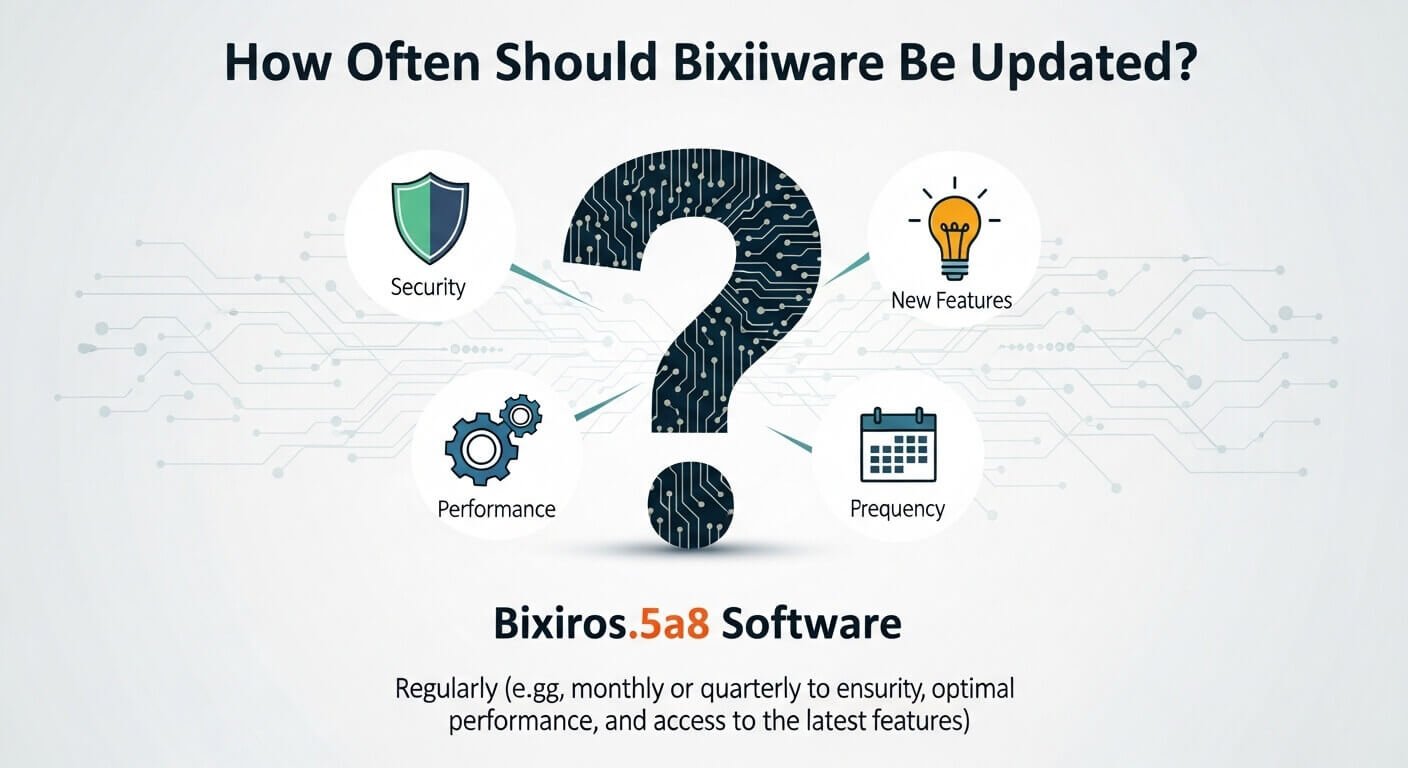
So, how often should Bixiros.5a8 software be updated? Short answer: more often than most people think. Long answer? That’s exactly what this guide is about.
In this article, you’ll learn what Bixiros.5a8 is, why update timing matters, how frequently updates should happen, and how to manage them without stress—even if you’re not a tech expert.
What Is Bixiros.5a8 Software?
Core Purpose and Use Cases
Bixiros.5a8 is a specialized software platform designed to handle structured processes, system coordination, and data-driven operations. Organizations rely on it for stability, automation, and secure workflows.
Think of it like the brain of an operation. If the brain isn’t healthy, the whole body struggles.
Industries That Commonly Use Bixiros.5a8
Bixiros.5a8 is commonly used in:
-
Enterprise IT environments
-
Data management systems
-
Process automation setups
-
Secure internal platforms
Because it often handles sensitive operations, keeping it updated isn’t optional—it’s essential.
Why Regular Updates Are Critical for Bixiros.5a8
Security Enhancements
Cyber threats don’t wait. New vulnerabilities are discovered every month, sometimes every week. Updates often include security patches that close these gaps.
Running outdated Bixiros.5a8 software is like leaving your front door unlocked in a busy city.
Performance Optimization
Updates aren’t just about fixing problems. Many improve speed, memory usage, and overall efficiency. A system that felt “slow” suddenly feels new again after a proper update.
Compatibility with New Systems
Operating systems, hardware drivers, and integrations evolve. Regular updates ensure Bixiros.5a8 continues to work smoothly with modern environments.
How Often Should Bixiros.5a8 Software Be Updated?
Recommended Update Frequency
In most cases, Bixiros.5a8 should be:
-
Checked for updates monthly
-
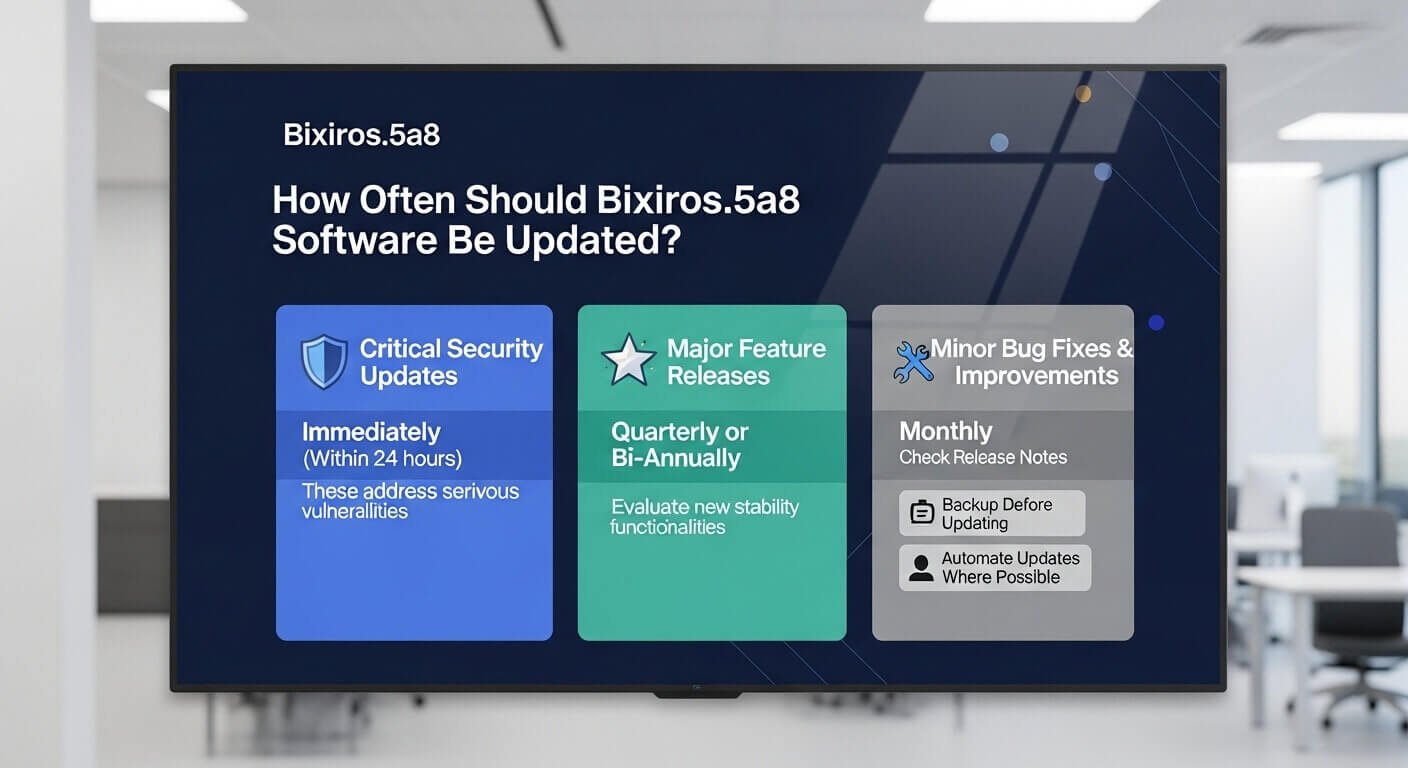
Updated at least every 2–3 months
-
Updated immediately for security patches
This balance keeps systems safe without causing disruption.
Monthly vs Quarterly vs Annual Updates
-
Monthly: Best for security-focused environments
-
Quarterly: Suitable for stable production systems
-
Annual: Not recommended unless the system is isolated
Waiting a full year is risky and outdated by modern standards.
Types of Updates You Should Know About
Security Patches
These are urgent and should be applied as soon as possible. They protect against known threats and exploits.
Feature Updates
These add new tools, workflows, or improvements. While not always urgent, they often increase productivity.
Bug Fixes and Hotfixes
Hotfixes resolve specific problems quickly. Ignoring them can cause recurring errors or crashes.
Signs Your Bixiros.5a8 Software Needs an Update
Watch out for:
-
Slower performance than usual
-
Compatibility errors
-
Security warnings
-
Unexpected crashes
-
Missing features documented in newer versions
If any of these sound familiar, it’s update time.
Risks of Not Updating Bixiros.5a8 on Time
Delaying updates can lead to:
-
Security breaches
-
Data corruption
-
System downtime
-
Compliance issues
-
Higher long-term maintenance costs
Small delays today often become expensive problems tomorrow.
Best Practices for Updating Bixiros.5a8 Software
Backup Before Updating
Always create a full backup. It’s your safety net if something goes wrong.
Testing Updates in a Staging Environment
For businesses, testing updates in a non-production environment helps avoid surprises.
How Updates Improve Security and Data Protection
Modern updates often include:
-
Encryption improvements
-
Access control enhancements
-
Logging and monitoring upgrades
These features protect sensitive data and build trust.
Impact of Updates on Performance and Stability
Regular updates reduce crashes, memory leaks, and bottlenecks. Over time, they keep systems stable and predictable.
Update Frequency for Small vs Large Organizations
-
Small teams: Monthly or quarterly updates
-
Large enterprises: Scheduled update cycles with testing
Size matters, but consistency matters more.
Manual vs Automatic Updates: Which Is Better?
Automatic updates reduce human error but need monitoring. Manual updates offer control but require discipline.
Most organizations benefit from a hybrid approach.
Common Myths About Software Updates
-
“Updates always break things” → Rare with proper testing
-
“If it works, don’t touch it” → Dangerous mindset
-
“Updates are only cosmetic” → Often false
How to Create an Update Schedule for Bixiros.5a8
A simple schedule includes:
-
Monthly security checks
-
Quarterly feature updates
-
Emergency patch procedures
Consistency beats perfection.
Future Trends in Software Update Management
Expect:
-
AI-driven update recommendations
-
Predictive maintenance alerts
-
Zero-downtime update systems
Staying updated today prepares you for tomorrow.
Expert Tips to Stay Ahead with Bixiros.5a8 Updates
-
Subscribe to official release notes
-
Monitor system logs after updates
-
Train staff on updated awareness
-
Document every update cycle
Conclusion
So, how often should Bixiros.5a8 software be updated? The smart answer is regularly, strategically, and without delay for security fixes. Updates aren’t interruptions—they’re investments in stability, security, and performance.
Treat updates like routine maintenance, not emergency repairs. Your system—and your future self—will thank you.
FAQs
1. How often should Bixiros.5a8 software be updated for security reasons?
At least monthly, or immediately when security patches are released.
2. Can skipping updates affect system performance?
Yes. Outdated versions often run slower and less efficiently.
3. Are all updates mandatory?
Security updates are critical. Feature updates depend on business needs.
4. Is it safe to enable automatic updates for Bixiros.5a8?
Yes, especially for security patches, but monitoring is still important.
5. What happens if an update fails?
That’s why backups and staging tests are essential before updating.