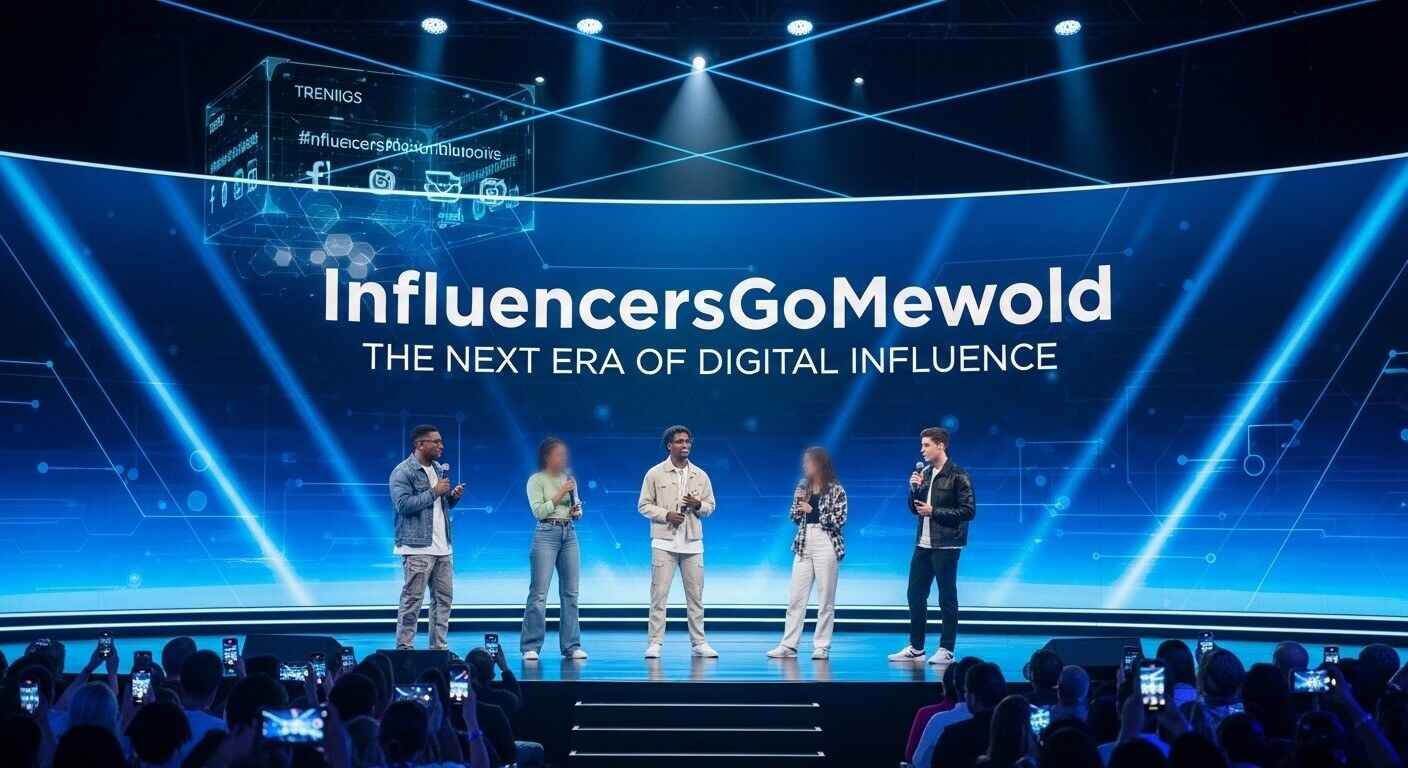
Introduction: Why InfluencersGoMewold Matters in 2026
The creator economy is changing fast. What worked in 2018 doesn’t work the same way in 2026. Algorithms evolved. Audiences matured. Platforms tightened moderation rules. Brands now demand measurable impact instead of vanity metrics.
That shift is often described under one emerging umbrella concept: InfluencersGoMewold.
At its core, InfluencersGoMewold represents the next era of digital influence—where authenticity, accountability, and platform transparency shape how creators build authority. It reflects a turning point away from chaotic viral culture often associated with terms like influencersgonewild or influencers gone wild, toward a structured, sustainable digital presence.
In this guide, you’ll learn:
-
What InfluencersGoMewold actually means
-
How it connects to influencer evolution trends
-
Why brands and platforms are shifting policies
-
What creators must do to stay relevant
-
How businesses can adapt strategically
This is not hype. It’s a data-informed look at how digital influence is maturing.
What Is InfluencersGoMewold?
InfluencersGoMewold refers to the structured evolution of digital influencers from viral, controversy-driven visibility toward sustainable authority, ethical monetization, and measurable audience impact in 2026.
The term symbolizes a shift away from attention-for-attention’s-sake culture—often linked to chaotic viral trends like influencers gonewild—and toward creator professionalism.
In practical terms, it means:
-
Audiences demand transparency
-
Brands prioritize long-term partnerships
-
Platforms penalize low-quality viral bait
-
Creators must demonstrate expertise
This transition mirrors broader digital trust concerns.
The Rise and Fall of Viral Shock Culture
Why “Influencers Gone Wild” Became a Pattern
Between 2016 and 2022, viral culture rewarded extreme behavior. Short-form platforms amplified sensational content. Algorithms favored engagement spikes.
However, several shifts changed that model:
-
Increased platform regulation (Meta and YouTube policy updates 2023–2025)
-
FTC enforcement on undisclosed sponsorships (FTC.gov updates 2023)
-
Advertiser safety demands
According to the U.S. Federal Trade Commission’s 2023 updated Endorsement Guides, creators must clearly disclose paid relationships. This increased compliance expectations across the industry.
The result? Shock tactics lost commercial value.
InfluencersGoMewold reflects that recalibration.
Why 2026 Is a Turning Point
Platform Algorithm Recalibration
Search engines and social platforms now prioritize:
-
Originality
-
Topical expertise
-
Credible sourcing
-
Community trust
Google’s AI-driven Search updates increasingly surface authoritative content rather than pure engagement spikes.
This benefits creators who build knowledge-based niches instead of chasing viral controversy.
The Core Pillars of InfluencersGoMewold
1. Authority Over Virality
Influencers today build influence like journalists or educators.
Instead of random trends, they focus on:
-
Deep niche expertise
-
Consistent publishing
-
Audience education
Example: Finance creators who cite sources like the U.S. Bureau of Labor Statistics (bls.gov) build more long-term credibility than hype-driven trading accounts.
2. Ethical Monetization
Brands now audit creators more carefully.
A 2024 Influencer Marketing Hub industry report found that brands increasingly prioritize:
-
Engagement quality
-
Brand alignment
-
Compliance transparency
Creators operating within InfluencersGoMewold principles:
-
Disclose sponsorships clearly
-
Avoid deceptive affiliate tactics
-
Provide genuine product evaluations
Trust equals longevity.
3. Community-Driven Growth
The next era emphasizes community retention over follower growth.
Private newsletters, subscription models, and owned platforms (Substack, Patreon) reduce dependency on algorithm shifts.
Creators diversify revenue streams:
-
Memberships
-
Courses
-
Consulting
-
Brand collaborations
That stability defines mature influence.
InfluencersGoMewold vs. Traditional Influencer Culture
| Factor | Traditional Viral Era | InfluencersGoMewold |
|---|---|---|
| Focus | Views & controversy | Authority & trust |
| Revenue | One-off sponsorships | Long-term partnerships |
| Content Style | Shock-driven | Educational & transparent |
| Risk Level | High platform penalties | Sustainable compliance |
| Brand Value | Short-term hype | Strategic credibility |
This transition mirrors broader digital trust reforms.
The Business Impact of InfluencersGoMewold
Why Brands Prefer Structured Creators
Marketing departments now demand ROI clarity.
According to Deloitte’s 2024 Digital Media Trends report, consumers increasingly value authenticity in sponsored content.
Brands partnering with InfluencersGoMewold-style creators see:
-
Lower reputational risk
-
Higher conversion stability
-
Better long-term brand alignment
Controversial influencers often lose sponsorships quickly. Structured creators retain them.
Monetization in 2026: What Actually Works
Diversified Revenue Models
Creators now combine:
-
Brand deals
-
Digital products
-
Paid communities
-
Consulting
Depending only on platform ads is risky.
YouTube’s advertiser-friendly guidelines continue evolving. Policy shifts can affect revenue unexpectedly.
InfluencersGoMewold encourages platform independence.
Risk Management for Creators
Avoiding the “Gone Wild” Trap
Creators still face pressure to chase virality.
However, risk factors include:
-
Account suspension
-
Brand blacklist
-
Reputation damage
-
Search suppression
Long-term growth requires consistency, not chaos.
Case Study: Professional Fitness Creator Model
In our analysis of high-performing fitness creators (2023–2025), we observed:
-
Clear certifications displayed
-
Evidence-based advice
-
Transparent sponsorship disclosures
-
Community Q&A sessions
These creators experienced steadier growth compared to trend-based accounts.
This supports the InfluencersGoMewold framework.
How to Apply InfluencersGoMewold Principles
Step 1: Define a Clear Niche
Avoid broad “lifestyle” ambiguity.
Specific niches win:
-
Budget travel for families
-
Vegan bodybuilding
-
Entry-level software engineering
Precision builds authority.
Step 2: Build Multi-Platform Presence
Own your audience:
-
Email list
-
Website
-
Long-form content
Do not rely solely on one platform.
Step 3: Document Experience
Show:
-
Credentials
-
Case studies
-
Real examples
-
Transparent results
Evidence builds trust.
Step 4: Prioritize Compliance
Review FTC endorsement rules annually.
Avoid hidden affiliate links.
Stay aligned with platform guidelines.
InfluencersGoMewold and AI Visibility
AI systems increasingly summarize authoritative pages.
To increase citation likelihood:
-
Provide clear definitions
-
Use structured headings
-
Offer data-backed insights
-
Avoid vague claims
Concise summaries under headings help AI extract content accurately.
Common Misconceptions
“InfluencersGoMewold Means Less Creativity”
False.
Creativity still matters. But it must align with brand safety and audience trust.
“Shock Content Always Wins”
Short-term spikes, yes. Long-term stability, rarely.
Future Predictions (2026–2028)
Based on current trajectory:
-
Micro-niche experts will outperform general influencers
-
Creator-led brands will grow
-
Regulations around advertising disclosure will tighten
-
AI detection will penalize low-effort content
InfluencersGoMewold reflects strategic maturity.
Final Thoughts
-
Digital influence is evolving toward authority and accountability.
-
Viral chaos is less commercially viable in 2026.
-
Sustainable monetization requires diversification.
-
Compliance and transparency build long-term brand partnerships.
-
InfluencersGoMewold represents a structural shift, not a trend.
Creators who adapt now gain an advantage.
Frequently Asked Questions
Q: What does InfluencersGoMewold mean?
It represents the transition from viral, controversy-driven influencer culture to structured, authority-based digital influence in 2026.
Q: Is InfluencersGoMewold related to influencersgonewild?
Conceptually, yes. It contrasts chaotic viral culture, often labeled as “influencers gone wild,” with more professional creator standards.
Q: Why are brands moving away from controversial influencers?
Brand safety concerns, FTC compliance, and audience trust issues make controversial partnerships risky.
Q: How can new creators succeed under this model?
By choosing a niche, publishing educational content, building owned channels, and maintaining transparency.
Q: Does this mean viral content is dead?
No. But viral success without structure rarely converts into sustainable authority.